
If trees could talk, they’d probably say, “Help! I need to move out!” That’s because plants, unlike animals, can’t pack their bags and stroll off to greener pastures. So how do they spread, grow, and colonise new areas?
Enter: Seed Dispersal.
Nature’s version of real estate development.
What Is Seed Dispersal?
Seed dispersal is the magical (and very necessary) process of moving seeds away from the parent plant. This helps avoid overcrowding, gives new plants space to thrive, and allows forests and ecosystems to stay healthy, diverse, and well spread.
Without seed dispersal, forests would struggle to grow and thrive. Biodiversity would decline, and countless seedlings would be left competing in the same small area, stunting their growth and chances of survival. It would be the ecological equivalent of twenty siblings trying to live in one bedroom — crowded, competitive, and far from ideal.
Here’s how they do it:
- The Midnight Munch & Drop – Flying foxes do not typically eat while flying; instead, they often carry fruit in their mouths—cheek pouches stuffed—while chasing one another for the best picks, dropping larger seeds as they go, with only very small seeds (under about 4 mm, such as fig seeds) being swallowed and later excreted. This “airmail” approach spreads seeds over huge distances – sometimes dozens of kilometres away.
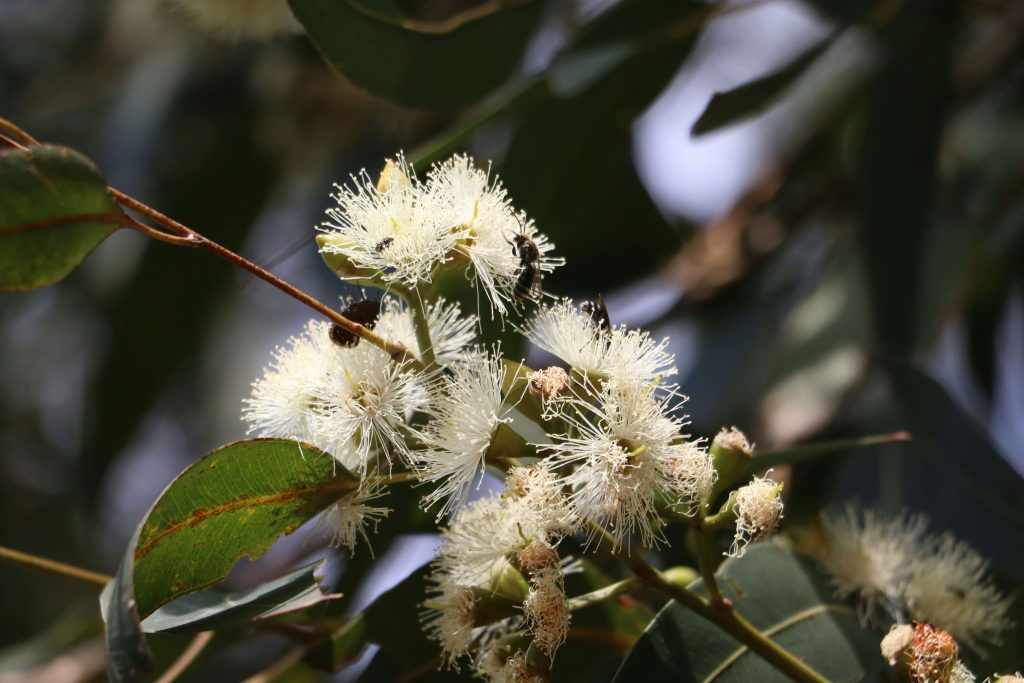
- Forest Regeneration – Many of the trees flying foxes rely on—such as figs and other rainforest species—depend on seed dispersal to regenerate, while eucalypts benefit instead from flying foxes as important pollinators. After bushfires, drought, or habitat clearing, flying foxes are often among the first wildlife to aid recovery through both seed dispersal and pollen transfer, making them critical to bringing damaged forests back to life.
- Pollination Tag Team – While not exactly seed dispersal, it’s worth mentioning – flying foxes also carry pollen on their fur as they feed on nectar, helping plants reproduce in a whole different way. It’s a win-win: dinner for them, life for the forest.
- Flying foxes play a huge role in keeping forests alive – By supporting biodiversity, which in turn sustains birds, insects, and healthy bushland. By maintaining forest systems, they help stabilise ecosystems and contribute to cleaner air. They also indirectly support agriculture, as some of the trees they disperse improve soil health and influence rainfall cycles. Put simply: no flying foxes means no forests — and without forests, the problems quickly become much bigger for all of us.
Final Thought:
Flying foxes are doing some of the heaviest lifting in the natural world. Every fruit they eat, every seed they drop – it’s helping to shape the future of our forests.
So next time you spot a flying fox overhead, don’t just think “bat. Think: nature’s gardener, forest fixer, seed-sowing superstar.
This article was written with the assistance of AI.